BENEFITS OF COWORKING FOR MODERN HYBRID WORKERS

Benefits Of Coworking For Modern Hybrid Workers
Read Time: 8 minutes
The traditional nine-to-five corporate lease is rapidly becoming a relic of the past. Across Ghana’s fast-evolving business landscape, modern organizations are embracing the Hybrid Work Model, not merely as a temporary benefit, but as a core operational strategy. Forward-thinking companies are actively abandoning rigid, long-term real estate commitments in favour of the agility that modern professionals demand.
However, distributing a team across different locations introduces a distinct set of operational hurdles: How do you protect corporate culture, drive high-impact collaboration, and prevent remote employees from feeling disconnected from their on-site peers?
The answer lies in renting a Flexible Workspace.
This guide moves past basic amenities like free coffee to focus on the tangible, data-driven outcomes that matter to business leaders:
- The Financial Shift: Why flexible setups outperform traditional commercial leases on balance sheets.
- The Selection Matrix: A rigorous framework for vetting workspace technology, ergonomics, and acoustic privacy.
- The Hybrid: Actionable strategies to maximize productivity and turn physical office days into intentional collaborative rituals.
Let’s look at how utilizing agile workspaces can optimize your team's operational output and shield your bottom line from unnecessary real estate risks.
Why Decentralized Teams Require Flexible Workspace Infrastructure
Operating a high-performing hybrid team reveals a clear friction point: while employees value the autonomy of remote work, they still require professional structure, reliable utilities, and human connection. Rigid, centralized headquarters are poorly equipped for this fluid setup. Flexible workspaces bridge the gap by directly addressing the financial and logistical challenges of hybrid operations.
1. Capital Efficiency and Risk Mitigation
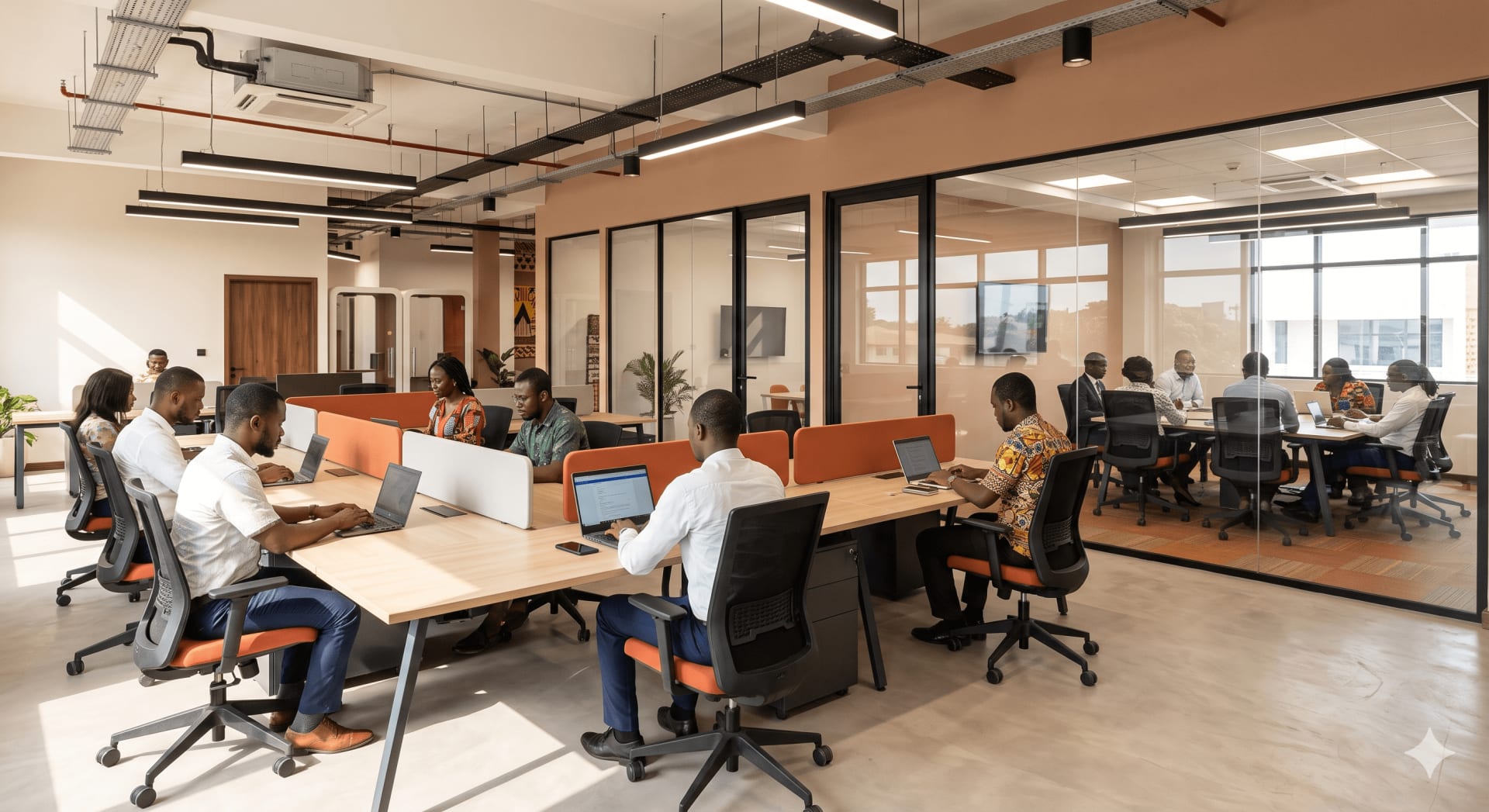 For growing enterprises, financial agility is deeply tied to real estate utilization. Committing capital to empty desks is a major operational drain:
- Shift to OpEx: Flexible workspaces allow businesses to convert heavy, front-loaded capital expenditures (CapEx) into predictable, monthly operational expenses (OpEx).
- On-Demand Scalability: Organizations can expand or reduce their physical desk count month-to-month based on real-time hiring needs, bypassing the restrictive lock-ins and penalties of traditional commercial leases.
2. Safeguarding Team Cohesion and Retention
The primary hidden cost of fully remote setups is social isolation and the creeping rise of proximity bias. Well-designed shared environments function as vital cultural anchors:
- Neutral Professional Hubs: They eliminate the monotony of home working by providing an inspiring, neutral space dedicated strictly to professional growth.
- Intentional Destinations: Because these spaces are explicitly designed for interaction rather than isolated tasks, they help maintain corporate alignment and serve as a powerful tool for recruiting high-demand talent.
3. Enterprise-Grade Operational Reliability
Consistent hybrid communication demands infrastructure that residential setups simply cannot guarantee. Premium flexible environments provide corporate-grade reliability out of the box:
- Redundant Connectivity: Top-tier locations feature high-speed fiber internet backed by strict Service Level Agreements (SLAs) and automated failover systems, preventing costly dropouts during crucial client presentations.
- Meeting Equity: Meeting rooms are built with advanced, integrated audio/visual (A/V) hardware, ensuring remote and in-person participants can interact on an equal digital footing.
A Strategic Matrix for Selecting Your Flexible Workspace
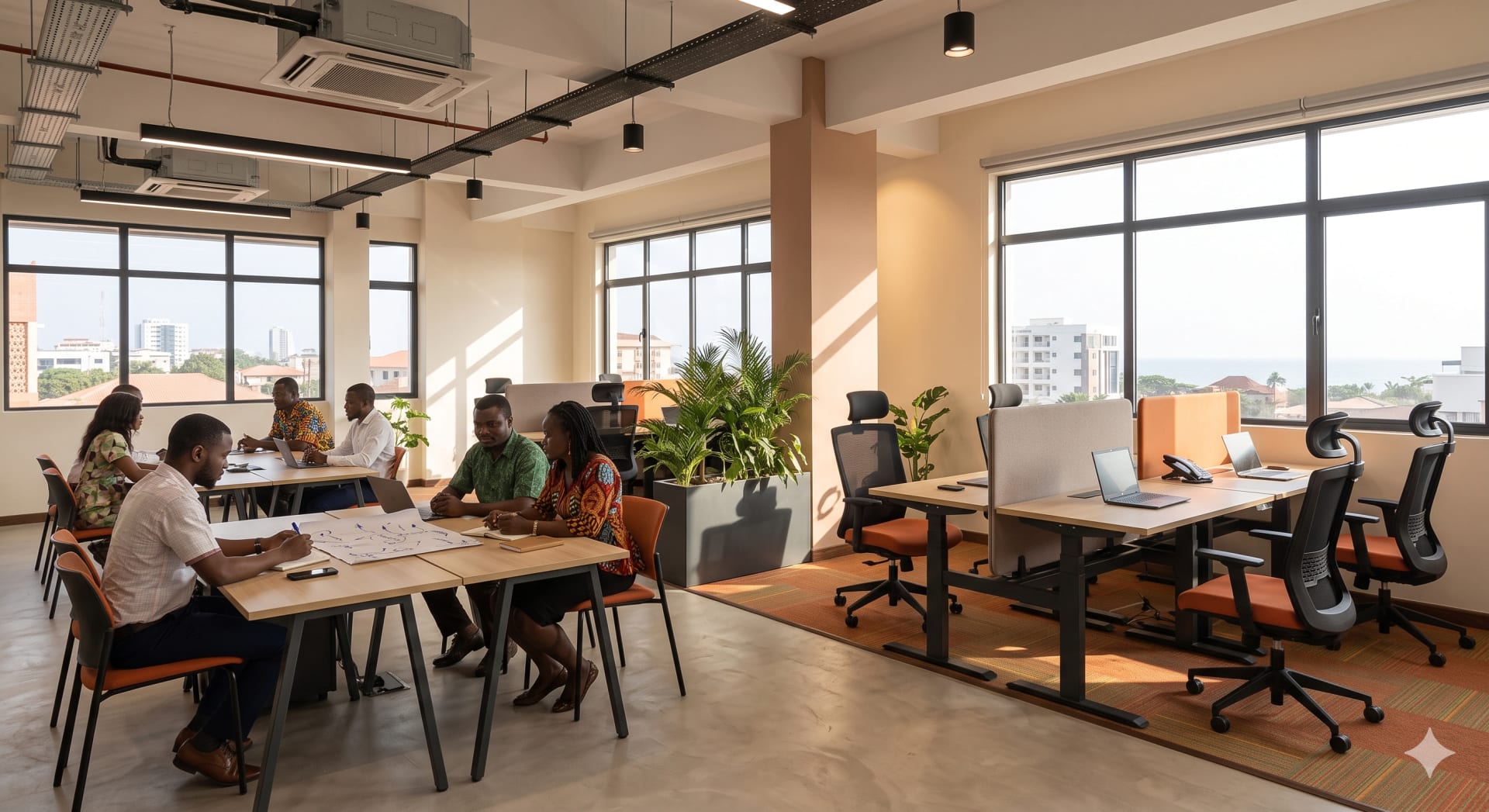 Choosing a shared workspace BoardBooking | Elevate where you work & meet. for a professional team should be an analytical decision rather than a cosmetic one. You are investing in an ecosystem that must seamlessly accommodate deep focus, confidential discussions, and high-fidelity video conferencing.
1. Mapping Your Team's Spatial Profile
Before scheduling site visits, analyze your team’s weekly usage patterns. Use the framework below to match your operational requirements to the right space model:
Operational Metric
Hot Desking & Open Flex
Dedicated Private Suites
Primary Use Case
Ad-hoc drop-ins, individual deep focus, and agile field operations.
Scheduled weekly anchor days, confidential client consultations, and core operations.
Team Size & Cadence
Smaller, highly distributed teams with fluid, project-driven schedules.
Established, cross-functional teams requiring a consistent, predictable base.
Data & Privacy Needs
Low to moderate. Standard privacy booths suffice for daily calls.
High. Requires isolated networks, secure physical storage, and branded environments.
2. The Technical Infrastructure Checklist
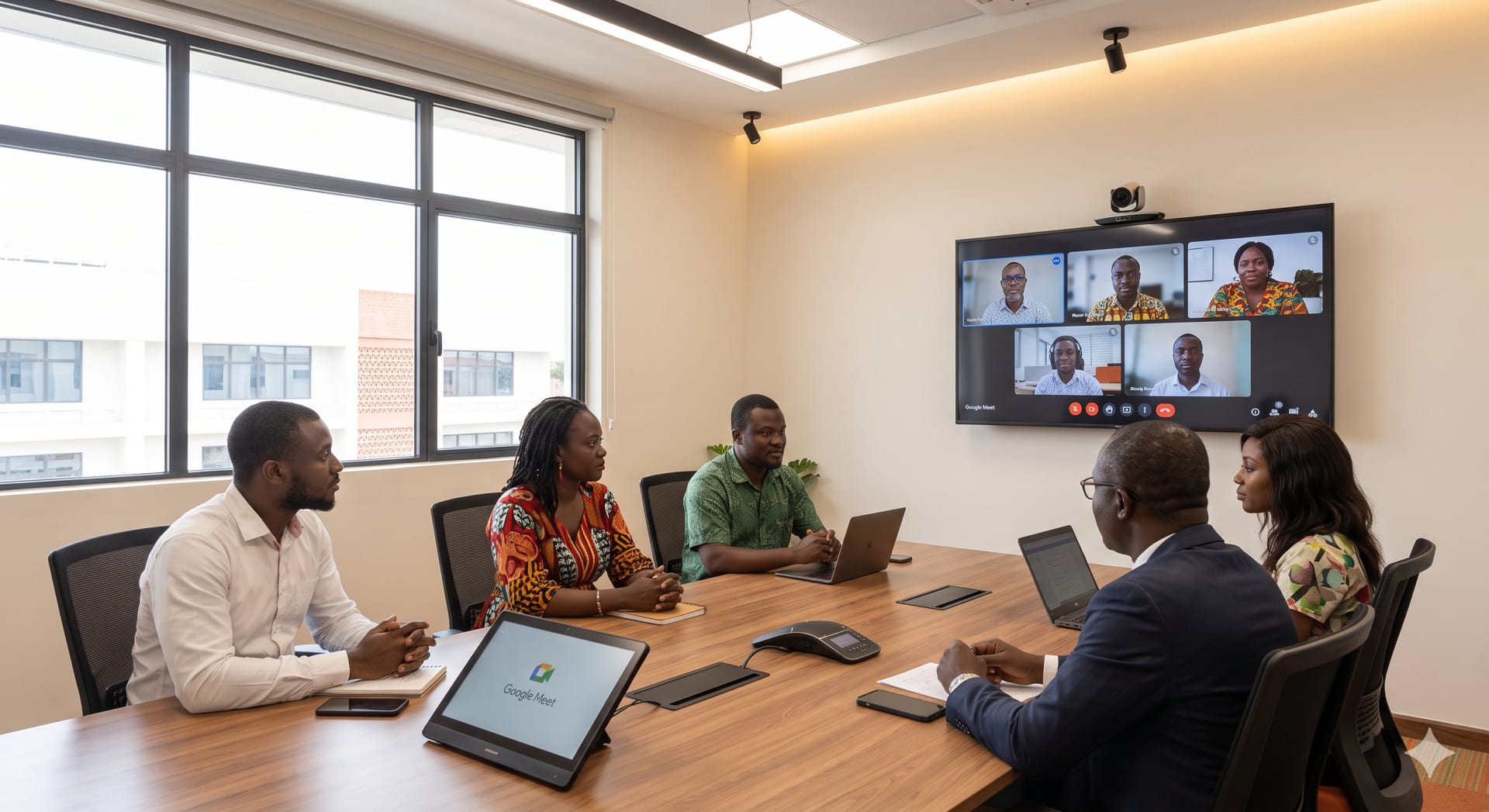
A workspace's technical framework directly dictates your team's efficiency. Ensure the following elements are fully vetted:
A. Network Resilience
Bandwidth instability directly damages remote collaboration.
- Guaranteed Throughput: Demand written confirmation of upload and download speeds, ensuring the facility runs on dedicated corporate fiber rather than standard consumer broadband.
- Automated Redundancy: Confirm the presence of a secondary Internet Service Provider (ISP) that activates automatically if the primary line goes down.
B. Collaborative Audio/Visual Setup
Shared spaces must support collaboration equity so that off-site employees are never sidelined during planning sessions.
- Hardware Integration: Verify that conference rooms are equipped with wide-angle high-definition cameras, smart ceiling microphone arrays, and simple, plug-and-play screen sharing.
- System Agility: Ensure the in-room hardware is running smoothly whether your team relies on online meeting platforms: Zoom, Microsoft Teams, or Google Meet.
C. Information Security and Access Control
Maintaining data integrity is an absolute necessity when operating out of a shared corporate facility.
- Credentialed Access: Ensure that building entry and private suite access are tightly controlled via unique digital keycards or secure smartphone applications.
- Secure Document Release: Shared print stations must require individual user authentication (via PIN or card swipe) before sensitive documents are physically printed.
💡 Vetting Tip: Visit prospective spaces BoardBooking | Elevate where you work & meet. during peak hours. Run a manual speed test on their network, verify the acoustic insulation of the booths, and test the ease of connecting your laptop to their conference room hardware.
3. Design Economics: Acoustics, Zoning, and Ergonomics
The physical architecture of a space should actively minimize distractions and promote long-term physical well-being.
- Acoustic Management: Ensure open workspaces are structurally separated from high-traffic lounges.
- Spatial Zoning: A productive space enforces clear functional boundaries. Look for dedicated quiet zones where conversation is prohibited, vibrant breakout spaces for collaborative brainstorming, and easily bookable private rooms for confidential work.
- Ergonomic Standards: Protect your team’s physical health by selecting spaces furnished with high-end, adjustable ergonomic chairs featuring lumbar support, sit-to-stand desk options, and well-distributed power sources at every workstation.
4. Contractual Transparency and Hidden Costs
The primary advantage of flexible real estate is its adaptable terms. Ensure your contract preserves this agility.
- The Notice Period: Prioritize agreements offering short-term flexibility (such as rolling day-to-day, week-to-week or month-to-month commitments) with transparent terms for scaling desk counts up or down.
- The Expense Audit: Read the fine print to uncover hidden operational costs. Watch out for mandatory setup fees, hidden charges for weekend access, or steep overage penalties for printing and meeting room usage.
Maximizing the Return on Your Workspace Investment
Securing a high-infrastructure location BoardBooking | Elevate where you work & meet. is only the first step. The ultimate return on investment depends entirely on establishing clear cultural guidelines for how your team interacts with the space.
1. Drafting a Hybrid Team Charter
Shared workspaces run smoothly when teams follow explicit operational agreements. A formal Team Charter clarifies behavioural expectations and tool usage:
- Communication Thresholds: Establish clear rules regarding channels
- Spatial Consideration: Build guidelines for maintaining workspace cleanliness.
2. Capitalizing on the Shared Business Ecosystem
A flexible workspace is more than just real estate; it is a live business network filled with potential clients, partners, and vendors.
- Cross-Industry Networking: Encourage your team to engage with the broader community. Interacting with neighboring businesses frequently sparks new strategic partnerships and keeps your team aligned with market innovations.
- Feedback Optimization: Establish a dedicated communication loop so employees can report facility or tech alignment issues immediately, allowing management to resolve problems well before the next collaborative session.
Scale Your Workplace Strategy with BoardBooking Ghana
Navigating the shifting demands of the modern hybrid economy requires extreme flexibility, robust infrastructure, and strategic real estate decisions. Relying on traditional commercial leases locks up precious capital and limits your operational agility.
Partnering with an agile workspace platform gives your business a definitive competitive advantage, providing enterprise-grade infrastructure, cultural continuity, and financial protection.
Ready to optimize your team's hybrid workspace strategy?
Discover how BoardBooking | Elevate where you work & meet. bridges the gap by matching your company's distinct operational profile with premium, high-performance flexible workspaces across Ghana. Take control of your real estate footprint today!
Author: Patrick Fankam